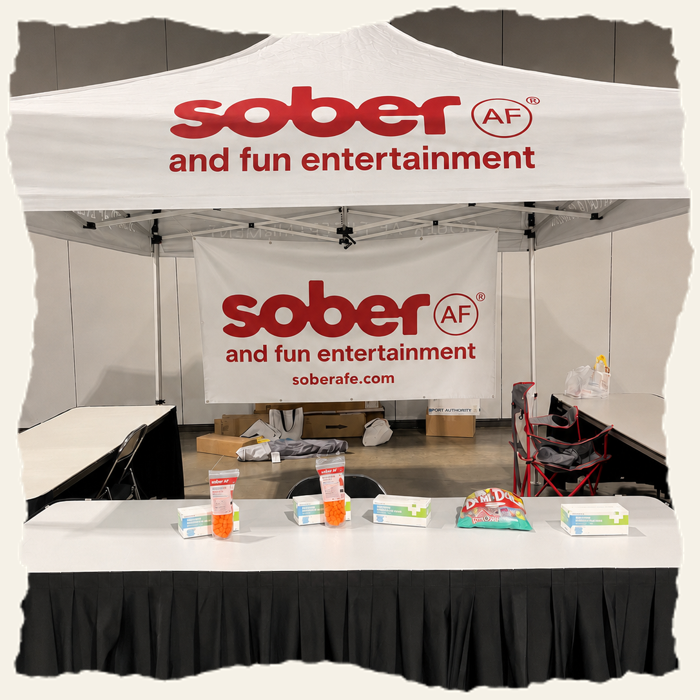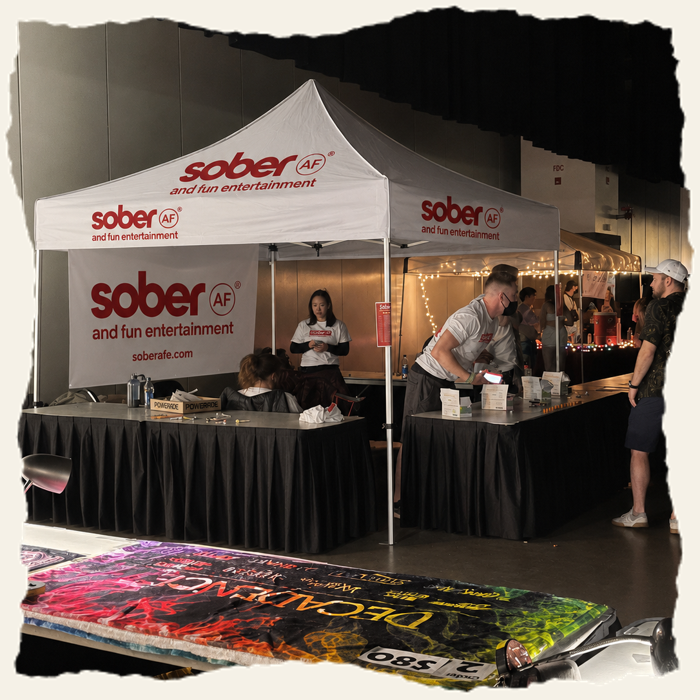

Let’s get one thing straight: staying sober does not mean you have to hide from the world, skip every party, or avoid every stadium tailgate. While isolation might seem like a safe bet in the short term, it isn't how you build a connected, sustainable life in recovery. At Sober AF Entertainment, the mission is simple: non-drinkers deserve full access to culture, sports, and music; even when alcohol is present.[¹]
Sobriety should expand your life, not shrink it. Here are the three essential skills you need to master to stay sober long-term while still having a "damn good time".
1. Master the Art of Being Uncomfortable
Walking into a party or a wedding as the only one with a non-alcoholic drink can feel weird. You might feel like you stick out or experience a sudden urge to head for the exit.

But here’s the secret: that discomfort is exactly where growth happens. Most relapses don't start with a craving for a drink; they start with a desire to avoid discomfort.[²] Alcohol exists everywhere, from weddings to concerts, and if your sobriety requires avoiding these spaces forever, it becomes fragile. Learning that you can feel uncomfortable for a moment and still be okay is a "superpower" that builds lasting confidence.
2. Find Community (Without the "Sober Bubble")
Recovery that requires total isolation is rarely sustainable. While boundaries are important in early sobriety, long-term success comes from re-entering the world with support.
The goal isn't to create "alcohol-free bubbles" that separate you from society, but rather to create sober-friendly spaces inside real-world events. Community is about normalizing the choice not to drink so that you can attend a college football game or a music festival without being pressured or questioned.[¹] You don’t need everyone around you to be sober; you just need respect, options, and a few people who understand your choice.
3. Build a Life That Is Actually Fun
People rarely relapse just because alcohol is nearby; they relapse because they feel bored, left out, or disconnected.[³]
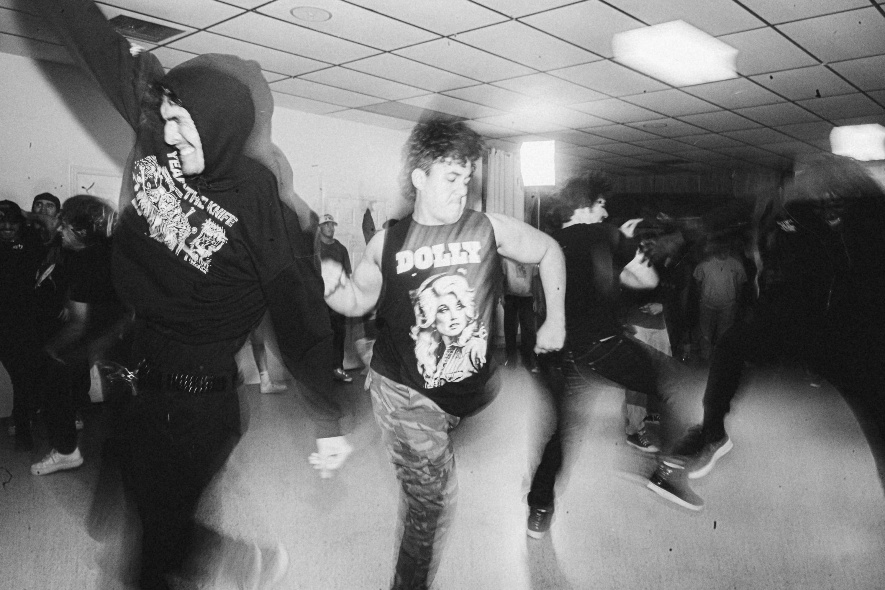
Fun is protective. When you are laughing, cheering, and deeply connected to a community at a tailgate or concert, the thought of drinking loses its power. By ensuring sober people have a place to gather and a drink in their hand, we kill the "FOMO" (fear of missing out) that often threatens recovery.
The Pro Tip: Always Bring Your Own Drinks
If you want to move through the world like a pro, bring your own non-alcoholic (NA) drinks every single time. This isn't about fear; it's about freedom. When you have your own NA beverage:
- You aren't dependent on what the venue provides.
- You blend in without having to explain yourself.
- You feel prepared and confident.
The Bottom Line
Real recovery means being able to show up at the wedding, the game, or the party, and leave whenever you want, feeling good about it all while.
Long-term sobriety boils down to five truths: you can survive discomfort, you don't have to isolate, you can safely hang out with people who drink, your life should be fun, and you should always bring your own NA drinks. There is no shame, no hiding, and certainly no "boring" sobriety here, just living life fully included and connected.
That is the Sober AF way.
Footnotes
[1] U.S. Department of Health & Human Services – Harm Reduction
https://www.hhs.gov/overdose-prevention/harm-reduction (hhs.gov in Bing)
[2] National Institute on Drug Abuse – Relapse & Triggers
https://nida.nih.gov/publications/drugs-brains-behavior-science-addiction/treatment-recovery (nida.nih.gov in Bing)
[3] Substance Abuse and Mental Health Services Administration (SAMHSA) – Recovery & Social Connection