
The Narrative
For many years, conversations surrounding suicide prevention have explored the complex relationship between access to lethal means—particularly firearms—and suicide risk. These discussions often unfold within deeply polarized political and cultural landscapes, where ideological divisions can make constructive dialogue difficult.
Yet another intersection exists that is equally consequential for suicide prevention but operates through a different dynamic entirely: substance use and addiction.
Unlike the often polarized debate surrounding firearms, the danger presented by substance abuse is rarely ideological. Instead, it quietly emerges through the subtle yet powerful grip of addiction. Alcohol, opioids, and other substances do not simply alter mood or perception; they can reshape decision-making, emotional regulation, and one’s relationship to hope itself.[⁴]
This dynamic creates a troubling feedback loop. Substance use can intensify despair, impulsivity, and emotional dysregulation—factors that increase suicidal ideation.²][⁵] At the same time, individuals experiencing suicidal distress may turn toward substances in an attempt to cope, numb emotional pain, or escape overwhelming thoughts.

In this way, substance use and suicidality often reinforce one another. The result is not simply correlation, but a cycle where each condition amplifies the other, sometimes culminating in tragedy.
Yet within this difficult intersection also lies an opportunity: recovery communities, harm reduction strategies, and sober cultural movements are demonstrating that connection and healing can disrupt this cycle.
The Literature
Research consistently demonstrates that substance use disorders—particularly alcohol use disorder (AUD) and opioid use disorder (OUD)—are strongly associated with increased suicidal thoughts, suicide attempts, and suicide mortality.²][⁴]
A range of mechanisms help explain this relationship. Alcohol and drugs can impair judgment, reduce behavioral inhibition, and intensify negative emotional states. At the neurobiological level, substance use affects brain systems involved in reward, stress regulation, and impulse control. Psychologically, individuals struggling with addiction often experience increased isolation, shame, and diminished self-efficacy—factors known to elevate suicide risk.[⁵]
One striking example comes from research examining acute alcohol consumption. Studies have found that the risk of suicidal behavior increases dramatically in the hours following alcohol use, with some estimates suggesting as much as a seven-fold increase within a 24-hour period.[¹] Alcohol’s effects on impulsivity and emotional regulation can turn fleeting suicidal thoughts into immediate actions.
Substance use can also worsen existing mental health conditions such as depression and anxiety while simultaneously weakening the coping mechanisms individuals rely on to navigate distress. The result is a convergence of vulnerability factors that make recovery—and prevention—especially challenging.
However, the literature also highlights the importance of protective factors. Social support, recovery-oriented environments, and harm reduction interventions have been shown to reduce risk and improve outcomes for individuals navigating substance use and mental health challenges.³][⁵]
The Culmination
Addiction has long been recognized as a profoundly social phenomenon. While the struggle with substances may occur within an individual, its consequences ripple outward—affecting families, friendships, and entire communities. In a similar way, suicide does not occur in isolation. The loss of a single life reverberates through social networks, leaving lasting impacts on those left behind.

Understanding how substance use and suicide intersect therefore becomes more than an academic exercise; it becomes a public health imperative.
Substances can function as both an amplifier and a pathway. For some individuals, they intensify existing suicidal distress. For others, they lower the barriers between thought and action. In either case, addiction can transform moments of vulnerability into irreversible outcomes.
Yet there is also another side to this story: recovery.
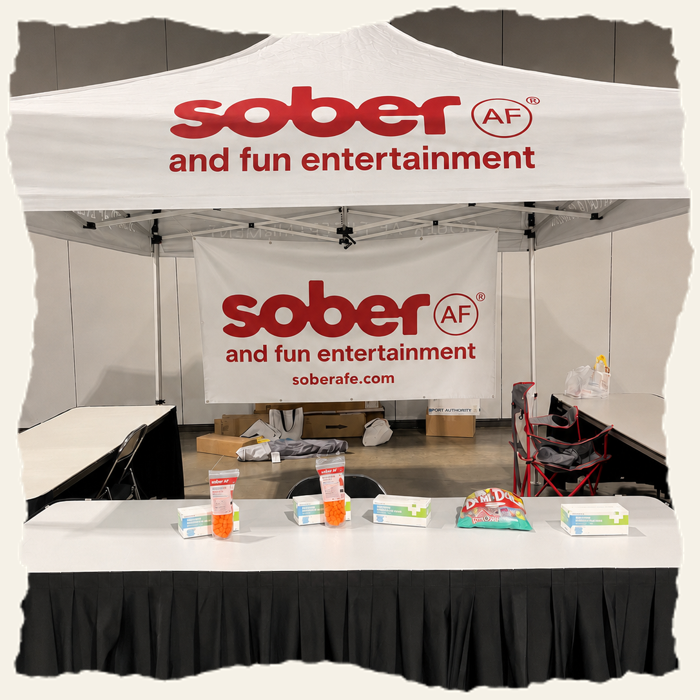
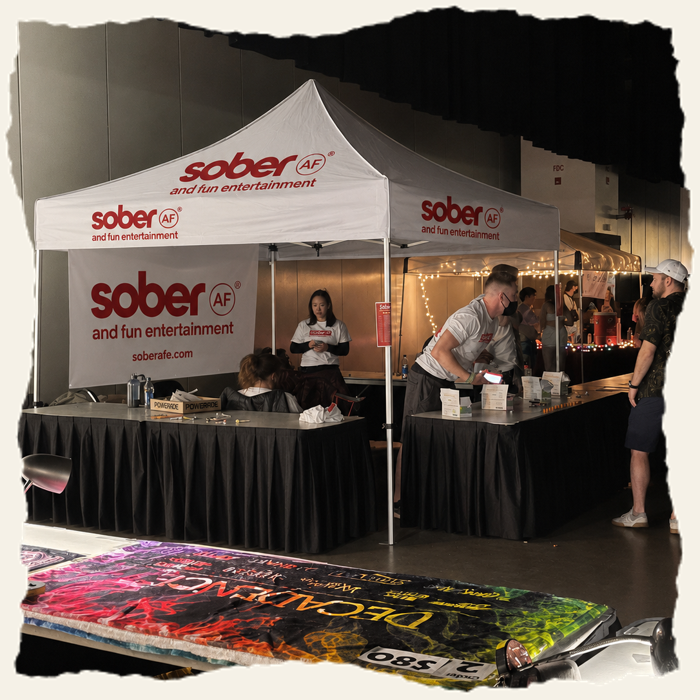
Across communities, new cultural movements are emerging that emphasize connection, belonging, and substance-free celebration. Organizations such as Sober AF Entertainment are helping demonstrate that meaningful social experiences do not require alcohol or drugs. By creating visible, engaging sober spaces, these initiatives challenge long-standing assumptions about social life while reducing stigma around sobriety and recovery.
Complementing these cultural shifts are harm reduction strategies—approaches that meet individuals where they are rather than demanding perfection as a prerequisite for support. Whether through peer recovery groups, overdose prevention tools like naloxone, or community-based recovery programming, harm reduction efforts emphasize survival, dignity, and the possibility of change.
When communities invest in recovery culture and compassionate intervention, the cycle linking addiction and suicidality can begin to break.
The story of substance use and suicide is therefore not solely one of risk and tragedy. It is also a story about resilience, connection, and the collective responsibility to create environments where people struggling with addiction are not pushed further into isolation, but instead drawn toward recovery and hope.
Footnotes
[1] BMJ Public Health – Prevalence and Predictors of Substance Use as a Factor in Suicide (2015–2020)
[2] RAND Corporation – Association of Substance Use with Suicide Mortality: Systematic Review & MetaAnalysis
[3] SAMHSA – National Survey on Drug Use and Health (NSDUH): Substance Use, Mental Health, and Suicidality Data
[4] Pew Charitable Trusts – Substance Use Disorder Increases Risk of Suicidal Thoughts and Attempts
[5] Canadian Centre on Substance Use and Addiction – Intersections of Substance Use and Suicide: Evidence & Key Takeaways