
The Narrative
At first glance, rave culture might seem like an unlikely place to look for lessons about recovery. Flashing lights, pounding bass, and crowded dance floors are often associated with excess rather than healing. For decades, raves have carried a reputation, fair or not, of being inseparable from drug culture.[¹]
Yet beneath the surface of that stereotype lies something deeper.
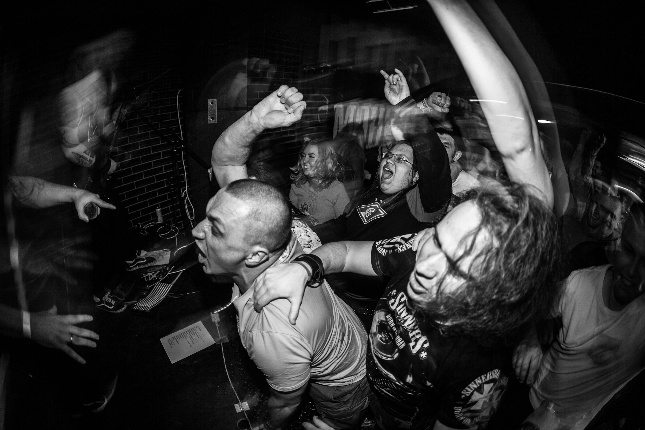
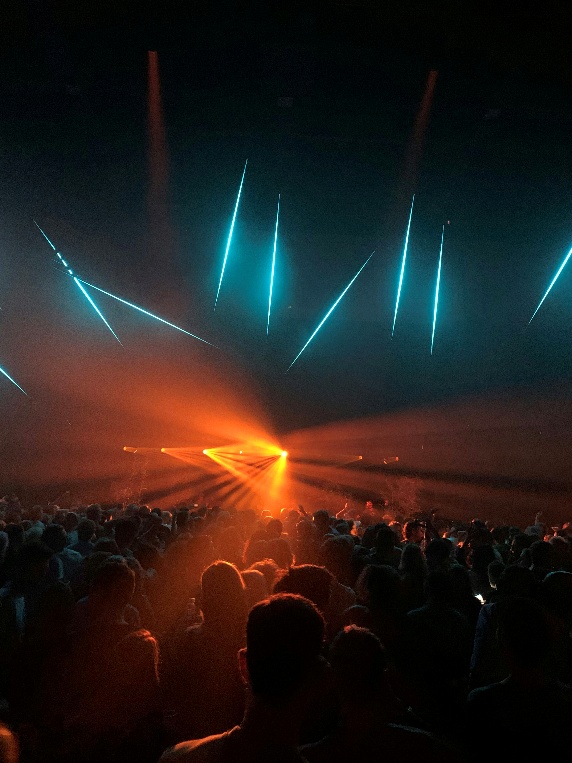
Rave culture emerged as a response to disconnection. In warehouses, basements, and underground venues, people gathered not merely to party but to experience something collective. The music was loud, the lights were disorienting, and the outside world seemed to disappear for a few hours.
But what truly drew people in was not the substances often associated with these spaces. It was belonging.
Rave culture developed around a simple ethos often summarized by the acronym PLUR: Peace, Love, Unity, and Respect. While the phrase may sound naïve to some, it represented an attempt to cultivate an environment where strangers could gather and feel safe expressing themselves without judgment. [²]
In a world where many people feel increasingly isolated, that promise of connection carries a powerful pull.
The Social Pulse
Music has always been one of humanity’s oldest forms of social bonding. Long before modern nightlife, communities gathered around rhythm and dance as a way to synchronize emotion and experience.[³]
Raves operate on the same principle.
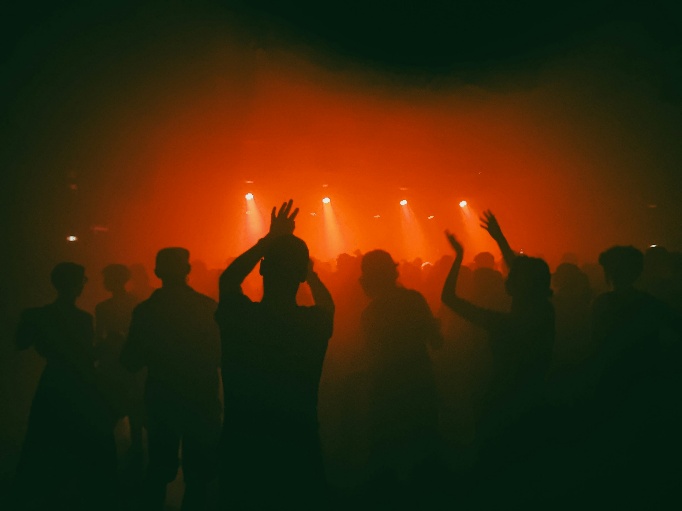
When a crowd moves together to the same beat, something subtle happens psychologically. Individual identities begin to soften as the group moves in rhythm. The person next to you becomes less of a stranger and more of a fellow participant in a shared moment.
For many people, especially young adults searching for identity and belonging, these spaces provide a rare experience of collective energy. For a few hours, differences dissolve into the rhythm of the music.
In other words, rave culture often provides exactly what many people are looking for: connection.
Yet this same environment can become complicated when substances are introduced. What begins as a search for belonging can sometimes intertwine with drug use, blurring the line between genuine connection and chemically amplified experience.[¹]
Harm Reduction and Cultural Evolution
In recent years, an important shift has begun to take place within rave culture. Instead of denying the risks associated with substance use, many communities have embraced harm reduction.
Organizations provide water stations, educational resources, and peer-support volunteers who help attendees stay safe during events. Rather than condemning or ignoring risky behaviors, harm reduction approaches recognize the realities of human behavior while prioritizing safety and compassion.[⁴]
At the same time, new cultural movements are emerging that emphasize connection without substance use.
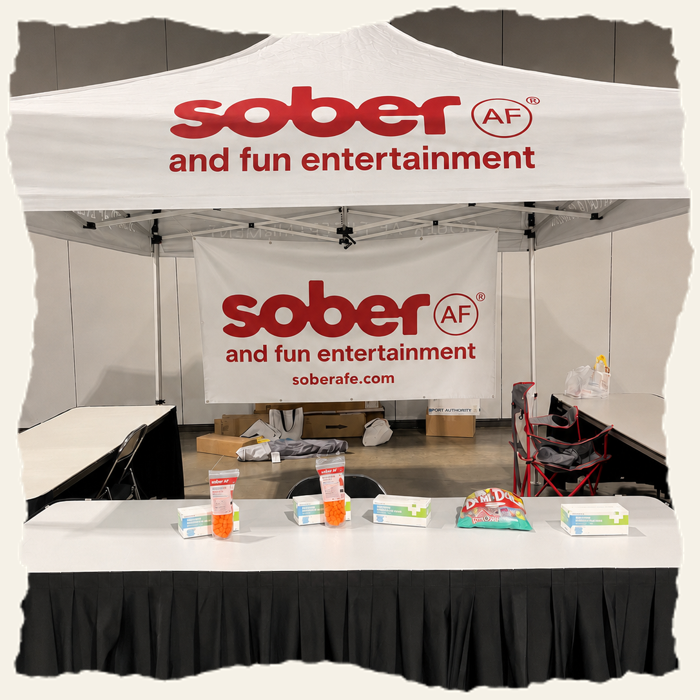
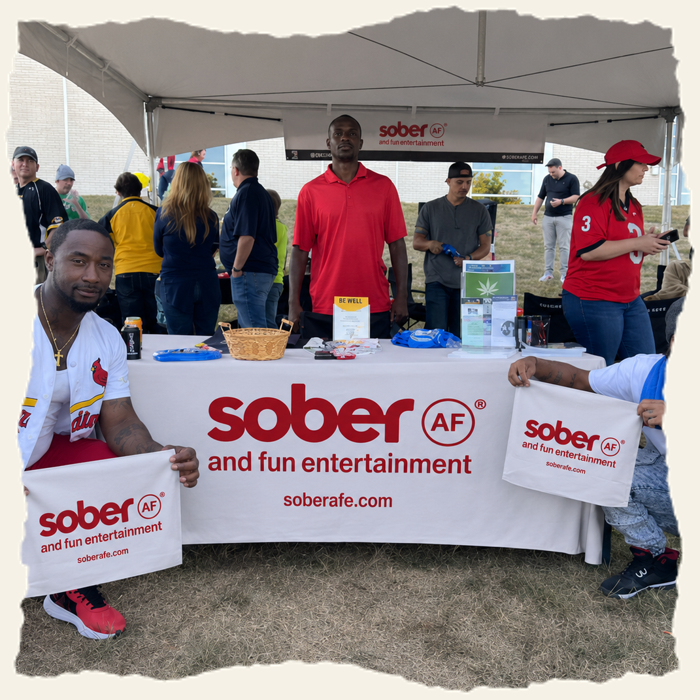
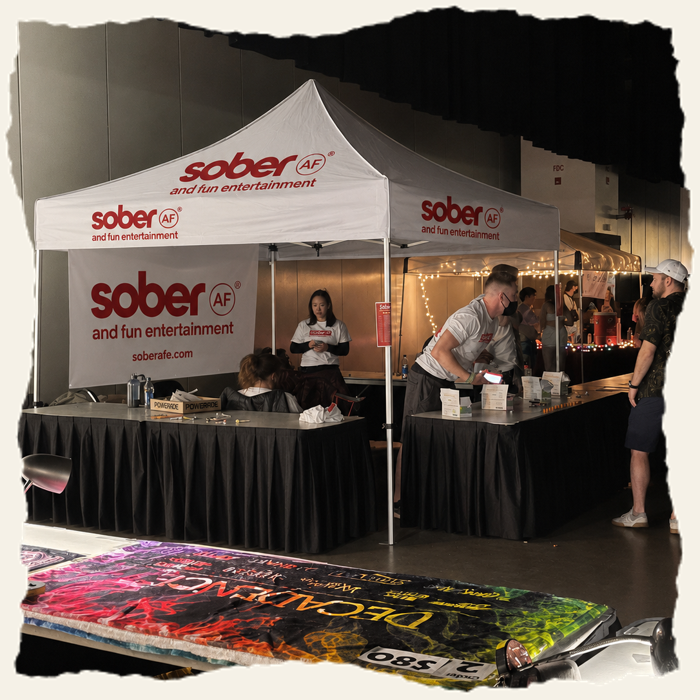
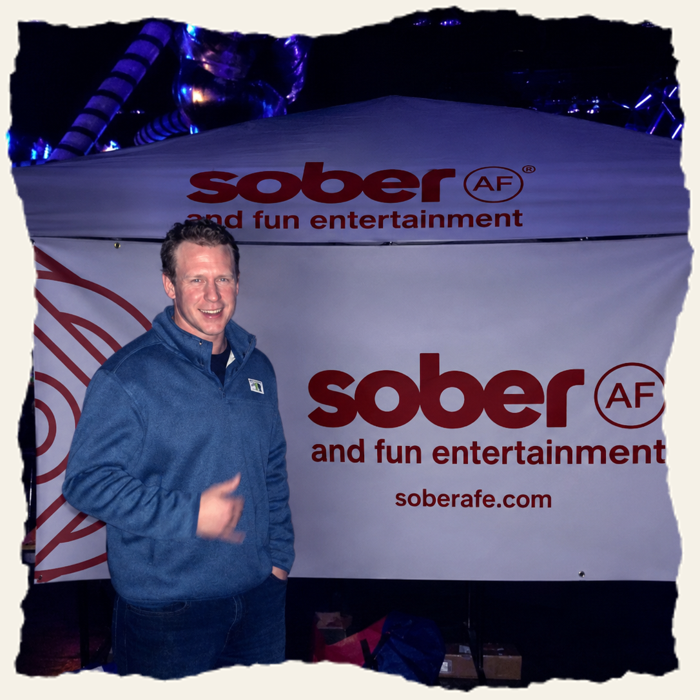
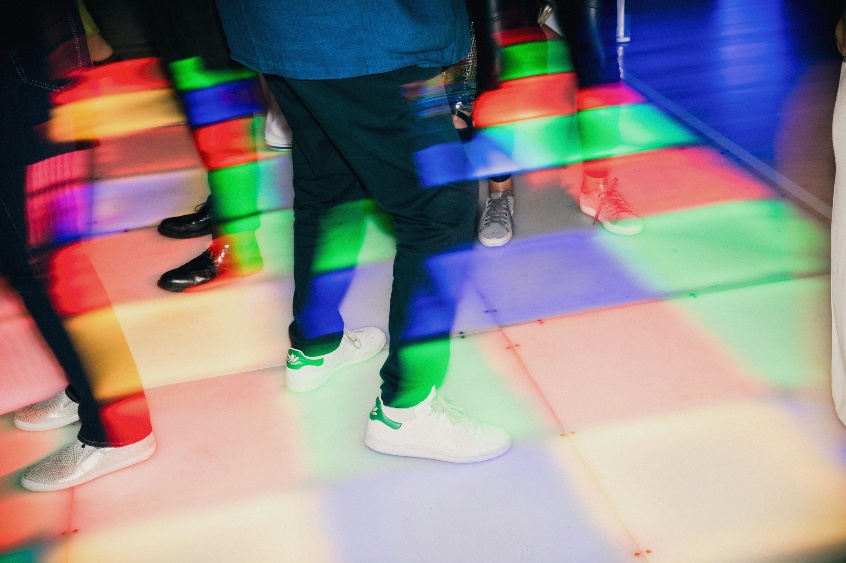
Groups such as Sober AF Entertainment are helping redefine what nightlife and music culture can look like by hosting substance-free events where music, art, and community remain the central experience. In these spaces, the energy of a rave, the dancing, the lights, the sense of shared celebration, can exist without the pressures or expectations surrounding drugs and alcohol.
The result is something interesting: the original spirit of rave culture begins to re-emerge.
Connection becomes the focus again.
The Beat Beneath It All
At its heart, rave culture was never really about substances.
It was about shared experience.
It was about music that made people move together.
It was about creating temporary communities where strangers could feel like they belonged.
Those impulses are deeply human.
Recovery movements and sober social spaces are tapping into that same impulse today. They recognize that people do not merely seek the absence of substances; they seek environments where joy, expression, and connection are still possible.³][⁴]
When culture creates space for that kind of connection, something powerful happens.
People dance.
People laugh.
People rediscover that belonging does not require intoxication.
The music continues.
But the meaning of the night changes.
Footnotes
[1] EMCDDA – Drug Use in Nightlife and Festival Settings
https://www.emcdda.europa.eu/publications/mini-guides/nightlife_en (emcdda.europa.eu in Bing)
[2] University of Nevada, Las Vegas – PLUR and the Cultural Roots of Rave Community
https://digitalscholarship.unlv.edu/rtds/4135 (digitalscholarship.unlv.edu in Bing)
[3] Frontiers in Psychology – Music, Social Bonding, and Group Synchrony
https://www.frontiersin.org/articles/10.3389/fpsyg.2020.00738/full (frontiersin.org in Bing)
[4] Harm Reduction International – Harm Reduction in Nightlife and Festival Settings
https://hri.global/nightlife-harm-reduction (hri.global in Bing)